Paulilatino: History, Nature and Traditions in the Heart of Sardinia
In the heart of Sardinia, among gentle hills and lush green countryside, lies Paulilatino, a small village that encapsulates centuries of history, culture, and authentic traditions. It is not just a point on the map: it is a place where the millennia-old history of the nuraghi intertwines with the daily life of its inhabitants, where flourishing nature invites slow and contemplative walks, and where local festivals transform the streets into vibrant scenes of color, aromas, and music.
Paulilatino is one of those places that surprises travelers seeking the authentic side of Sardinia, far from the more tourist-driven routes.
History and Archaeology: A Journey into the Past
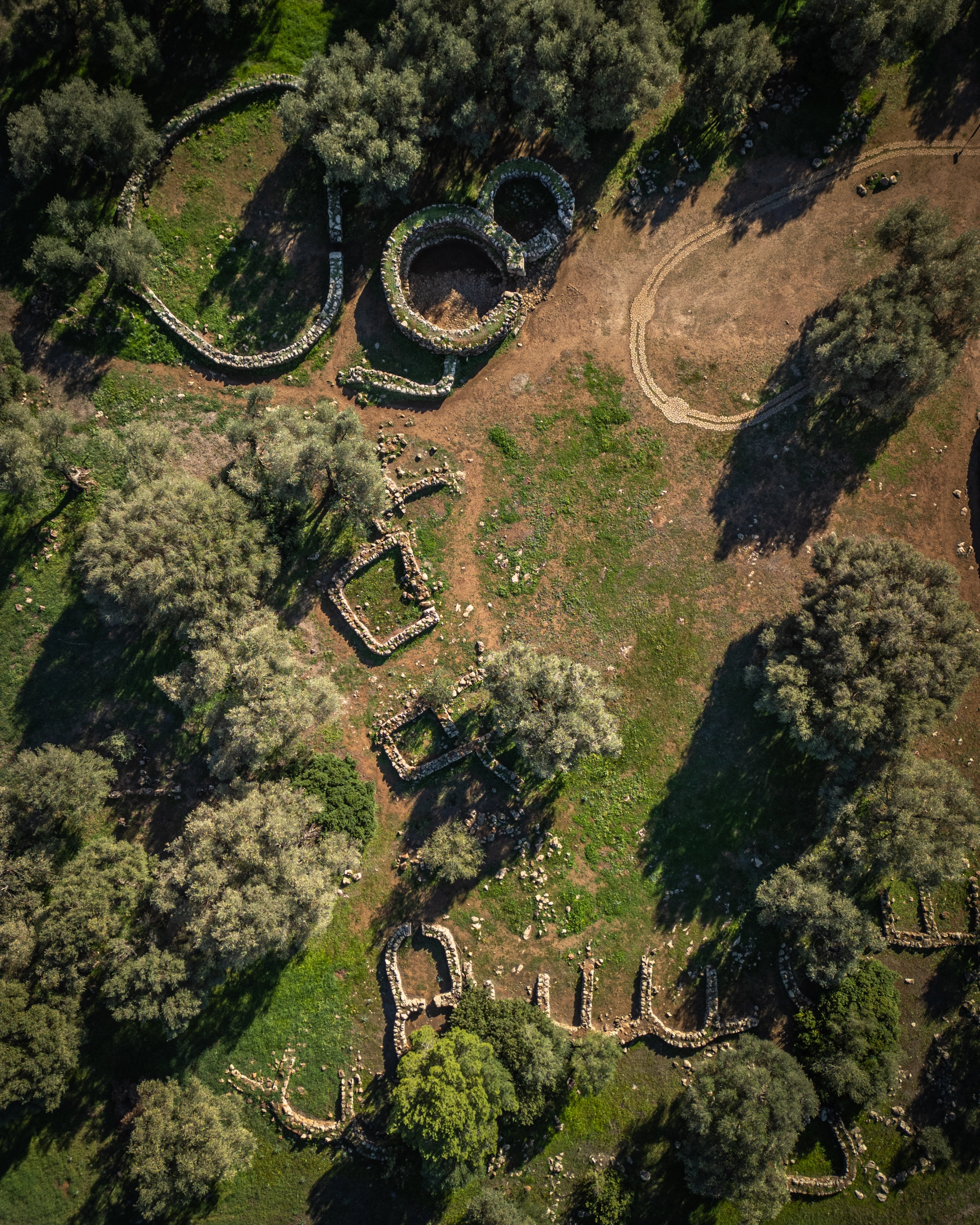
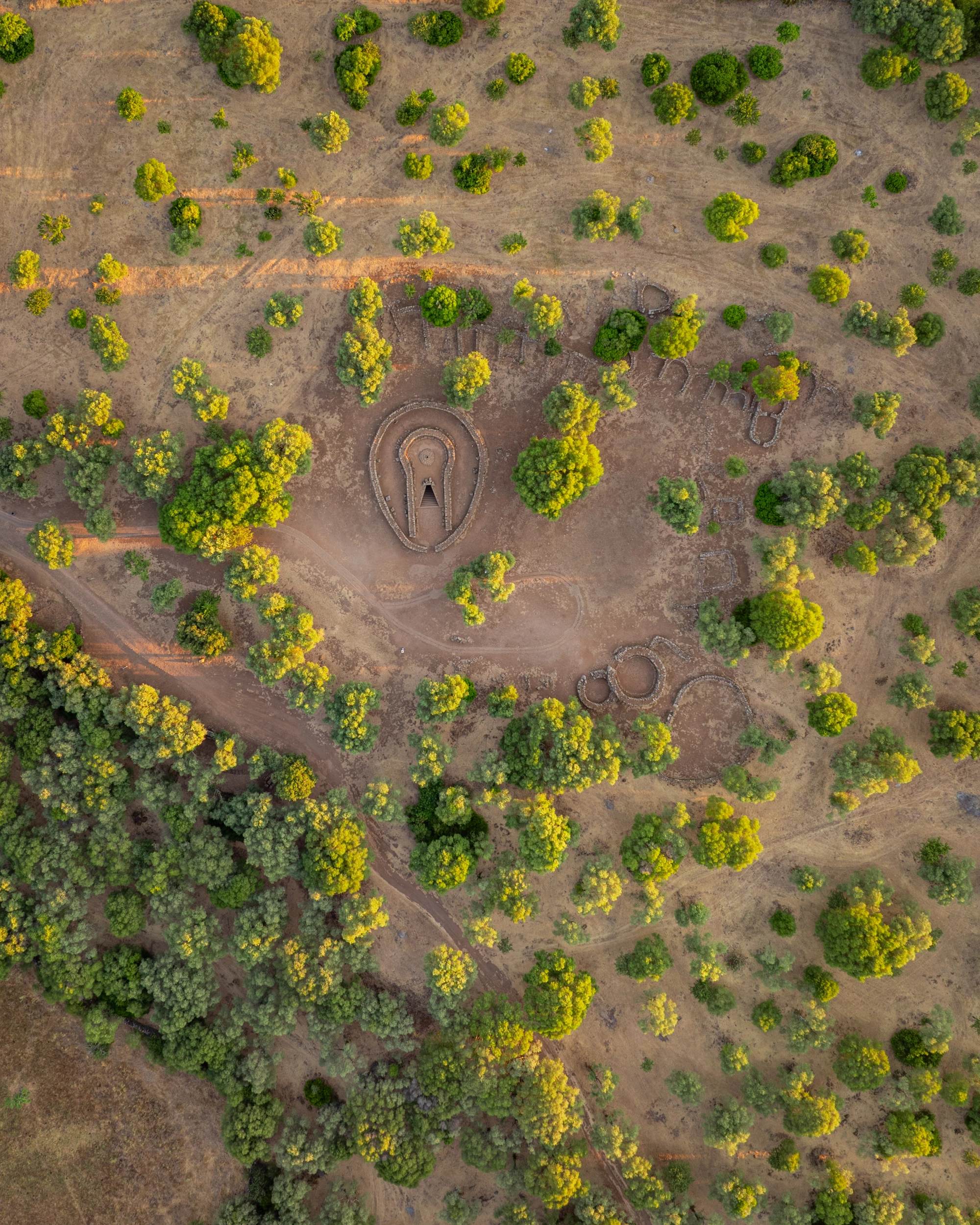
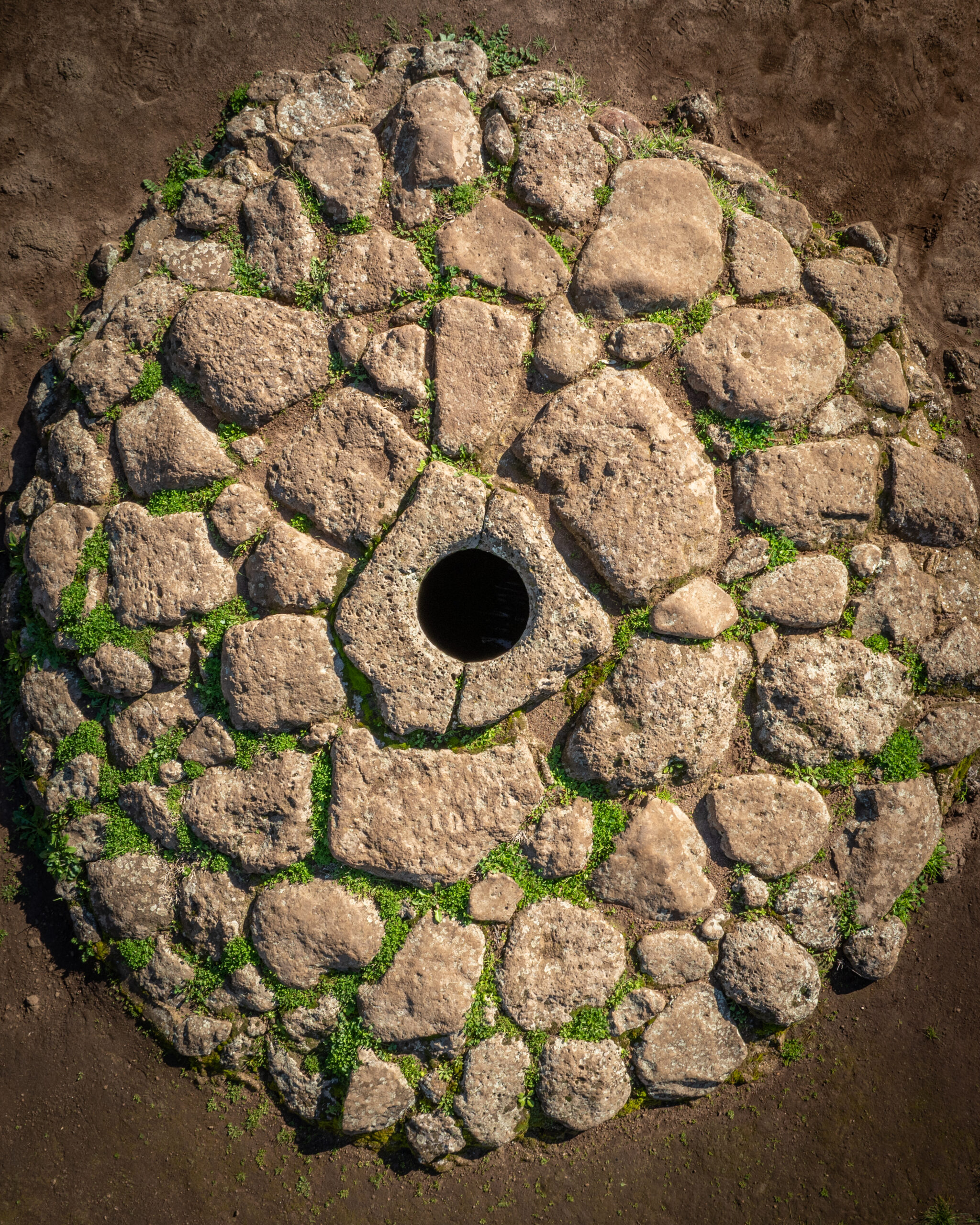
The territory of Paulilatino is renowned for its Nuragic complexes, traces of an ancient and mysterious civilization. The most famous site is the Santa Cristina Archaeological Site, an unmissable destination for visitors. Here stands the hypogean temple carved into the rock, which still radiates an enigmatic charm today. Walking among these structures, it is impossible not to feel connected to a distant past in which rituals and the cult of water were integral parts of daily life.
Yet Paulilatino is not only about nuraghi. Every corner of the village tells a different story, shaped by cultural layers and a community that has preserved its identity over time.
Landscapes and Nature: Among Hills and Countryside
Beyond its history, Paulilatino captivates visitors with its lush natural surroundings. The hills encircling the village, the open countryside, and small wooded areas create an ideal setting for walks, trekking, or simple moments of relaxation. The landscape changes with the seasons: in spring, fields burst into colorful blooms, while in autumn the hills turn warm, welcoming shades.
The area invites exploration of hidden corners and breathtaking views. Here, you can observe rural Sardinian life—traditional livestock farming, grazing lands, and small vegetable gardens—breathing in the fresh air and tranquility that define this part of the island.
Religious Architecture
Paulilatino preserves several churches reflecting different eras and architectural styles:
- Church of San Teodoro – built in the 16th century in Gothic-Aragonese style, distinguished by its façade with a portal and a circular window originally intended for a rose window that was never installed.
- Church of San Sebastiano – erected in 1500 as a vow to the saint who, according to tradition, protected the village from the plague; today it stands within the cemetery area.
- Church of the Anime (Souls) – a place of worship linked to popular devotion.
- Church of Nostra Signora d’Itria – characterized by simplicity and a strong connection to rural tradition.
- Church of Santa Maria Maddalena – a testament to the continuity of faith within the village.
Civil Architecture
Among the civil buildings, Palazzo Atzori stands out, now home to the Archaeological-Ethnographic Museum. Built in the 18th century by a wealthy local family, it houses a rich collection of objects that recount everyday life, craftsmanship, and popular traditions of the area.
Archaeological Sites
In addition to the famous Nuragic sanctuary of Santa Cristina, Paulilatino is surrounded by numerous prehistoric sites testifying to an extremely ancient human presence:
- Domus de janas (“fairy houses”), rock-cut hypogean tombs.
- Domus de janas of Berenales, Binzales, Su Ladere, Sas Chessas, Sas Zanas, and Su Riu—each with unique features revealing the complexity of pre-Nuragic culture.
Traditions and Culture: A Village Rooted in Its Heritage
If history and nature enchant visitors, the true soul of Paulilatino emerges in its traditions and local festivals. The village is known for its food fairs and events, moments when the community gathers to celebrate local products and ancient customs. Among the highlights are wine, olive oil, cheeses, and traditional sweets that reflect the region’s gastronomic culture.
Religious festivals, often linked to the calendar of patron saints, are occasions of great participation: processions, masses, and popular performances turn the village into a lively and colorful place where history and devotion coexist with joy and music.
The Palio of Paulilatino: Rivalry and Spectacle
One of the most anticipated events is undoubtedly the Palio di Paulilatino, a celebration combining competition, tradition, and spectacle. The village districts challenge each other in races involving horses and jockeys, creating a festive yet spirited atmosphere that animates the streets and squares.
It is not merely a race, but a celebration of local history, friendly rivalries between neighborhoods, and the strong sense of community that defines Paulilatino.
During the Palio, the village transforms: colorful flags, traditional costumes, and music make the atmosphere unique. It is the perfect time to immerse yourself in local culture and understand how deeply traditions are still felt and lived by the inhabitants.
Daily Life and Experiential Tourism
Visiting Paulilatino does not simply mean seeing monuments or attending festivals—it means living the village. Stroll through narrow streets, stop by artisan workshops, taste local products in small restaurants or at festivals, and discover hidden views among stone houses.
This is experiential tourism, where every encounter with local people enriches the journey.
The village also offers opportunities for excursions in the surrounding area, among natural trails, hills, and lesser-known archaeological sites. Every corner tells something new: a ruin, a small woodland, a cultivated field, a panoramic view over the Sardinian countryside that seems endless.
Why Visit Paulilatino
Paulilatino appeals to those who love authentic Sardinia. Here, millennia-old history, unspoiled nature, and vibrant traditions intertwine to offer a complete and memorable experience. From the nuraghi of Santa Cristina to the green hills, from food festivals to the Palio celebrations, every moment spent in Paulilatino tells a different story.
Those who visit this village discover not only monuments and landscapes, but also the passion and pride of the local community. It is a place where time seems to flow more slowly, where every corner offers emotions and curiosities, and where ancient traditions coexist with daily life.
Paulilatino is not just a place to see—it is a place to experience.